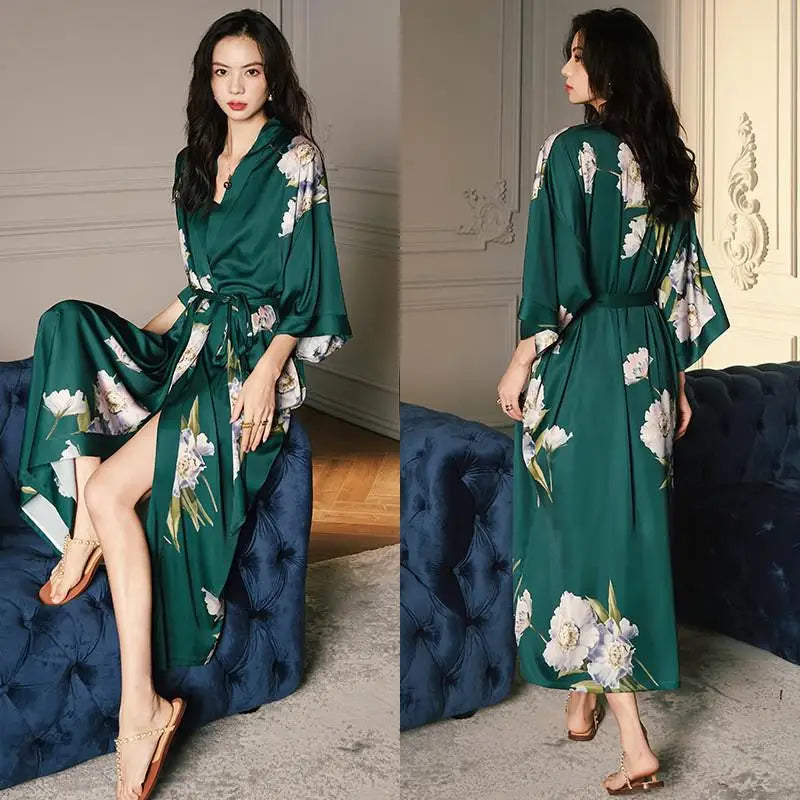
Kimono Color Guide: What Each Color Means and How to Pick Yours
Every kimono color tells a story. In Japan, shades were never chosen at random: red was worn for protection and celebration, black signaled formality, white stood for purity, and purple was once reserved for the highest ranks of the court. If you are wondering about kimono color meaning before you buy, the short answer is this: pick the color whose message fits the moment, then fine-tune the shade to your skin tone and the season. This guide walks through seven colors you will see again and again, what they traditionally meant, and how to wear each one today.
Why Color Matters So Much in Kimono Tradition
In classical Japan, clothing color was a language. During the Heian period, court women layered robes in carefully named color combinations known as kasane no irome, each tied to a specific season or flower. Wearing the wrong combination at the wrong time of year was considered a lapse in taste. Natural dyes added another layer of meaning: some pigments were rare and costly, so the color of a garment could reveal rank, wealth, or the formality of the occasion.
Modern kimono-inspired pieces such as robes, cardigans, and haori jackets are far more relaxed, but the old associations still shape how a color feels when you wear it. Knowing them helps you choose with intention rather than guesswork.
Kimono Color Meaning at a Glance
| Color | Traditional meaning | Best moments to wear it | Easy styling tip |
|---|---|---|---|
| Red | Protection, vitality, celebration | Festive evenings, gifts, holidays | Let it be the statement; keep the rest neutral |
| Black | Formality, dignity, depth | Evening events, everyday elegance | Choose a bold print so it does not look flat |
| White | Purity, new beginnings, the sacred | Weddings, bridal mornings, summer | Pair with soft gold or blush accents |
| Green | Nature, youth, renewal | Spring and summer, relaxed days | Mix with cream, gold, or deep brown |
| Pink | Cherry blossoms, youth, fleeting beauty | Spring, lounging, romantic gifts | Dusty pink reads softer and more grown-up |
| Yellow | Sunlight, warmth, harvest gold | Autumn, brunches, holidays | Mustard pairs beautifully with teal and navy |
| Purple | Nobility, rank, refinement | Special occasions, evening wear | Ground it with black or charcoal |
Red: Protection, Energy and Celebration
Red, or aka, is one of the oldest and most powerful colors in Japanese dress. It was linked to warding off misfortune, which is why it often appears in clothing for children and in festive garments. Shrine gates and the hakama of shrine maidens carry the same vivid tone. Traditionally, a deep red called beni came from safflower, a costly dye that made bright red garments a sign of prosperity.
How to wear red
- Deep cherry or wine reds flatter most skin tones and look rich in satin.
- Red with cherry blossom or peacock prints feels celebratory without being loud.
- Keep accessories minimal: red is already the focal point.
Browse our red kimonos if you want a piece that feels joyful and confident from the first wear.
Black: The Color of Formality and Depth
Black is the most formal color in kimono tradition. The kurotomesode, a black kimono decorated only below the waist and bearing family crests, is still the most formal choice for married women attending a family wedding. Plain black with crests is also the traditional color of mourning dress. That dual role explains why black kimonos carry such a strong sense of dignity.
In everyday fashion, black works for the opposite reason: it is the easiest color to style. It makes prints pop, slims the silhouette, and moves from day to evening without effort.
How to wear black
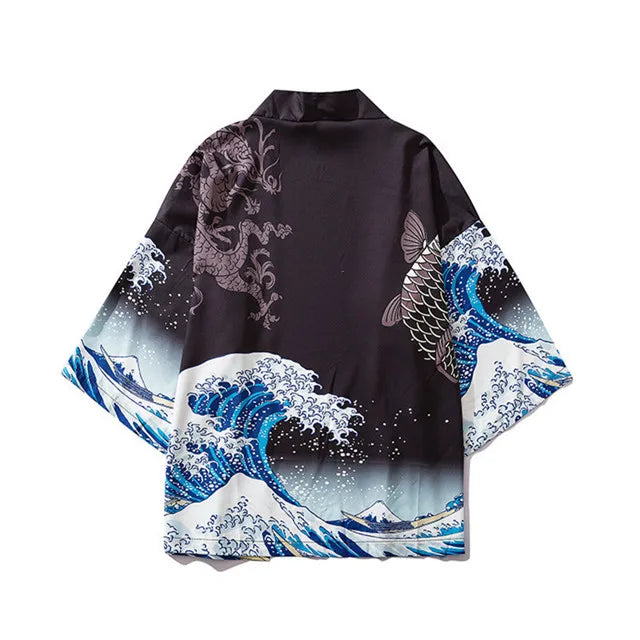
- Choose black with a bold motif such as cranes, dragons, waves, or florals so the piece has life.
- A black kimono cardigan over jeans and a white tee is one of the simplest outfits you can build.
- For evenings, a black satin robe or wrap dress with red or gold details feels polished.
Our black kimono collection covers robes, jackets, and haori styles for both everyday and dressier looks.
White: Purity and New Beginnings
White, or shiro, is tied to purity and the sacred in Japanese culture. The best-known example is the shiromuku, an all-white wedding kimono worn by brides in traditional Shinto ceremonies. It symbolizes a clean start. White also had solemn associations historically, which is why context matters: today it reads as fresh, bright, and bridal.
How to wear white
- White satin robes are a favorite for wedding mornings and bridal photos.
- Cream and ivory are easier on fair skin than stark white; bright white flatters deeper skin tones.
- Prints in soft gold, blush, or ink-wash black keep white from looking plain.
Explore white and cream kimono styles for bridal parties, summer lounging, or a light layering piece.
Green: Nature, Youth and Renewal
Green carries the meaning of growth and vitality. In Japanese tradition it evokes fresh leaves, bamboo, and pine, the last of which symbolizes longevity because it stays green through winter. Green shades also appear prominently in the seasonal color combinations of spring and early summer.
The range is wide, and each shade feels different:
- Emerald and forest green: rich and elegant, ideal for evenings and the holiday season.
- Olive and army green: earthy and relaxed, easy to wear with denim and neutrals.
- Mint and sage: light and calm, perfect for spring and summer.
How to wear green
Green floral prints pair naturally with cream, gold, and warm brown. Darker greens flatter warm and olive undertones especially well, while mint suits cooler, fairer complexions. You can see the full spectrum, from deep forest to soft mint, in our green kimonos.
Pink: Cherry Blossoms and Fleeting Beauty
Pink is inseparable from the cherry blossom, Japan’s most beloved flower. Sakura bloom briefly each spring, so the color carries the bittersweet idea of beauty that does not last, a concept at the heart of Japanese aesthetics. Pink has long been associated with youth and spring, and soft pinks remain a favorite for young women’s kimono.
How to wear pink
- Blush and dusty pink feel soft and sophisticated, and they flatter most skin tones.
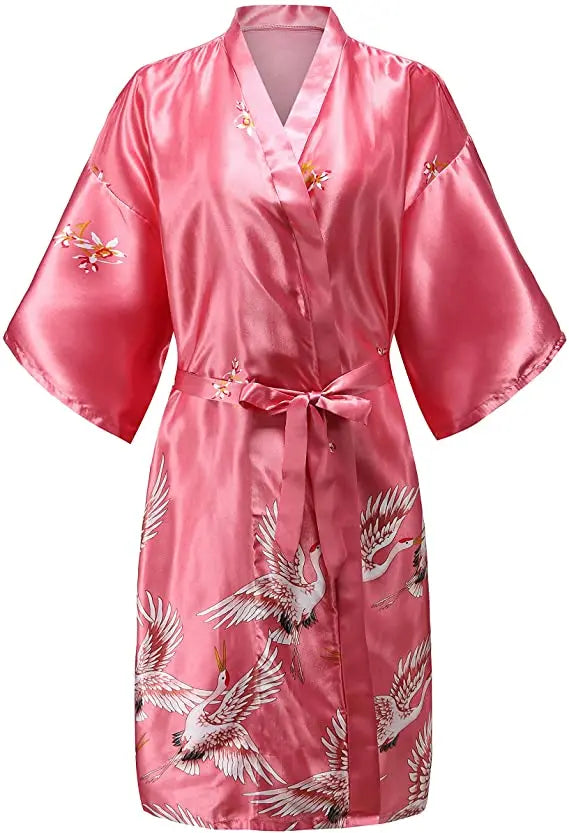
- Pink with crane or peony prints is a classic pairing that feels traditional yet romantic.
- A pink satin robe makes a thoughtful gift for a bridesmaid, a birthday, or Mother’s Day.
Shop women’s pink kimonos for lounging, getting-ready photos, or a gentle pop of color.
Yellow: Sunlight, Warmth and Gold
Yellow, or kiiro, is a warm and optimistic color. One of Japan’s classic traditional color names, yamabuki-iro, refers to the golden yellow of the kerria flower and has long been associated with gold itself. Yellow evokes sunlight, ripe grain, and autumn warmth.
How to wear yellow
- Mustard yellow is the most wearable shade: it looks great on warm and olive undertones and pairs well with teal, navy, and black.
- Pale butter yellow suits fair skin and works for spring.
- Yellow florals on a darker base, such as black, are an easy entry point if you are unsure about wearing yellow head to toe.
Our yellow and mustard kimonos bring a cheerful, sunny note to autumn and holiday wardrobes.
Purple: The Color of Nobility
Purple, or murasaki, was historically the most prestigious color in Japan. The dye came from the gromwell root and was difficult to produce. Under the twelve-level cap rank system introduced in the early seventh century, deep purple marked the highest rank. That legacy of refinement still clings to the color today.
How to wear purple
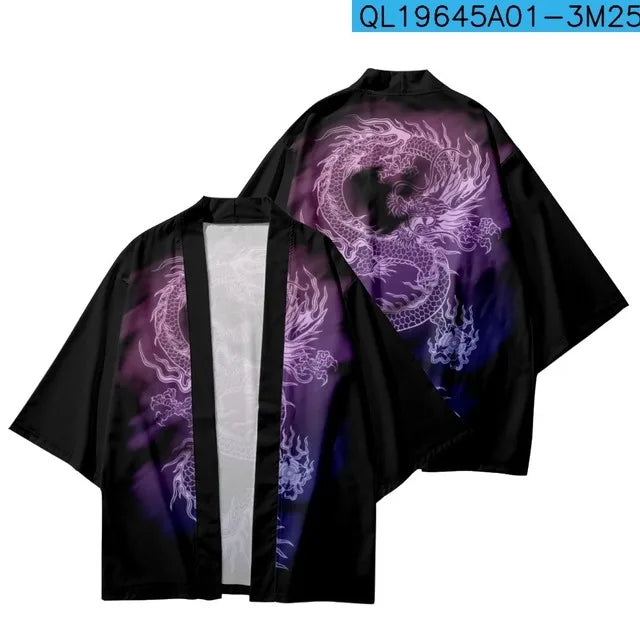
Deep plum and violet look luxurious on cool undertones, while lighter lavender softens warmer complexions. Purple prints set against black, such as a gradient dragon or a moonlit forest, feel dramatic and modern at the same time.
What Color Kimono Should I Wear? A Simple Method
If you are still unsure, work through these four questions in order.
- What is the occasion? Formal or evening events lean toward black, deep red, or purple. Weddings and bridal mornings point to white, cream, or blush. Relaxed days and lounging welcome green, yellow, and pastels.
- What is your undertone? Check the veins on your wrist. Greenish veins usually mean warm undertones, which suit mustard, olive, coral red, and cream. Bluish veins suggest cool undertones, which suit emerald, plum, fuchsia, and bright white. If you cannot tell, you likely have neutral undertones, and most colors will work.
- What season is it? Following the spirit of seasonal color dressing, choose pastels and pinks in spring, fresh greens and whites in summer, mustard, rust, and deep red in autumn, and black, emerald, and jewel tones in winter.
- What message do you want to send? Red for energy and celebration, black for confidence, white for a fresh start, green for calm, pink for softness, yellow for warmth, purple for elegance.
Styling Tips That Work With Any Color
- Let one element lead. If the kimono is boldly colored or printed, keep the rest of the outfit simple.
- Pick up a secondary color from the print. A teal trim or a red crane gives you an easy accent color for shoes, a bag, or lipstick.
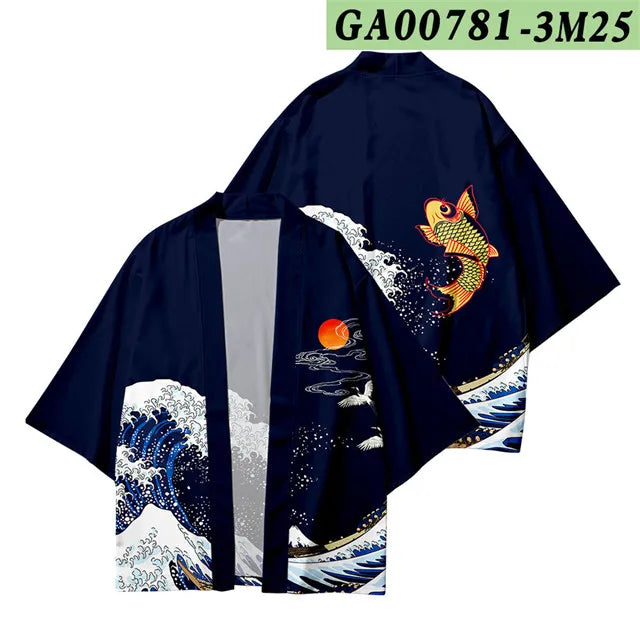
- Use dark bases for versatility. Black and navy kimonos with colorful prints give you the color without the commitment.
- Mind the fabric. Satin deepens and brightens colors with its sheen, so a red or emerald satin robe will look more vivid than the same shade in matte cotton.
Frequently Asked Questions
What is the luckiest kimono color?
Red is traditionally the color most associated with good fortune and protection against misfortune in Japan, which is why it often appears in festive and celebratory clothing.
Can I wear a black kimono to a wedding?
Yes. In Japan, the black kurotomesode is actually the most formal kimono worn by married female relatives of the couple. For a Western-style wedding, a black kimono jacket or wrap dress with a colorful print is an elegant guest option.
Is a white kimono only for brides?
No. The all-white shiromuku is a bridal garment, but white and cream kimono robes and cardigans are popular for summer, lounging, and bridal party mornings. Adding a print or a colored trim makes white feel less ceremonial.
What kimono color suits warm skin tones?
Warm undertones usually glow in mustard yellow, olive and forest green, coral and brick red, cream, and warm browns. Very icy pastels can look washed out, so choose a slightly warmer version of the shade.
Does a kimono color have to match the season?
Not for modern kimono-inspired fashion, but following the seasons is a lovely nod to tradition: soft pinks in spring, greens and whites in summer, golden and red tones in autumn, and deep jewel tones in winter.